


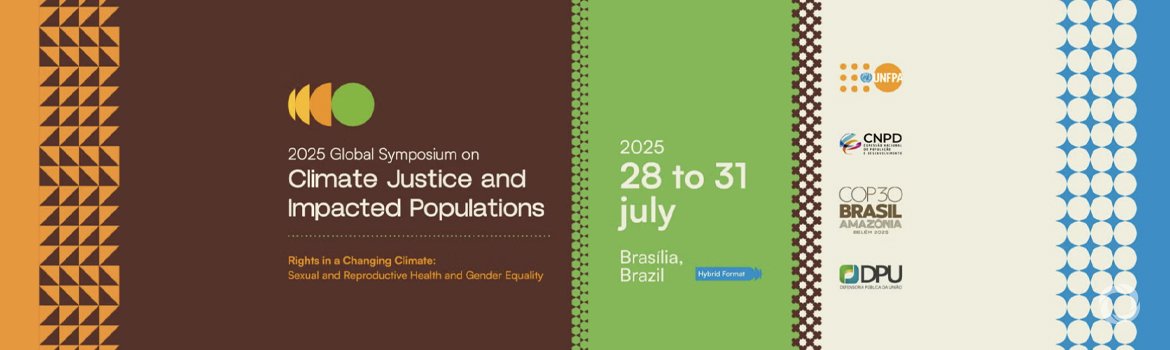
Brazil is hosting a pivotal gathering aimed at bridging the gap between climate impact and human rights. From July 28 to 31, UNFPA and the Government of Brazil will co-convene the 2025 Global Symposium on Climate Justice and Impacted Populations under the theme “Rights in a Changing Climate: Sexual and Reproductive Health and Gender Equality.”
The event arrives at a defining moment, nearly thirty years after both the International Conference on Population and Development and the UN Framework Convention on Climate Change first laid the groundwork for linking population, rights, and climate. Today, experts warn that climate change threatens the very core of human-centered sustainable development, notably in low- and middle-income countries where response capacities remain weak. At the same time, it is women and girls who bear the brunt of interlinked challenges affecting bodily autonomy, health rights, and gender equality.
Attendees, including policymakers, youth advocates, health specialists, and civil society representatives, will focus on five strategic goals: identifying research shortfalls, embedding gender and health concerns into climate policies, elevating rights-based resilience strategies, expanding finance and partnerships, and rallying momentum ahead of COP30.
Organizers describe the symposium as a “strategic milestone” ahead of COP30 in Belém, Brazil. Alongside urged actions on climate justice, the gathering seeks to reaffirm that safeguarding reproductive rights and promoting gender equality are not optional but essential facets of equitable climate adaptation.
As the world enters what many consider the most pivotal era for climate action, participants in Brasília will stress that true resilience hinges on upholding the rights, health, dignity, and choices of all people, particularly those most impacted by warming temperatures.