



United Nations climate chief Simon Stiell has warned that artificial intelligence (AI) carries both risks and extraordinary potential in the world’s efforts to tackle global warming. Speaking during Climate Week NYC 2025, Stiell said that while AI can optimize clean-energy systems, forecast extreme weather, and refine climate risk mapping, its own environmental footprint, especially the energy demands of massive data centers, cannot be ignored.
AI-driven tools are already helping scientists model climate scenarios with greater precision. For instance, machine-learning algorithms can quickly analyze satellite imagery to detect illegal deforestation, monitor glacier retreat, or predict crop failures, enabling faster intervention. Energy utilities are deploying AI to balance electricity grids fed by intermittent renewable sources like wind and solar, reducing waste and improving reliability.
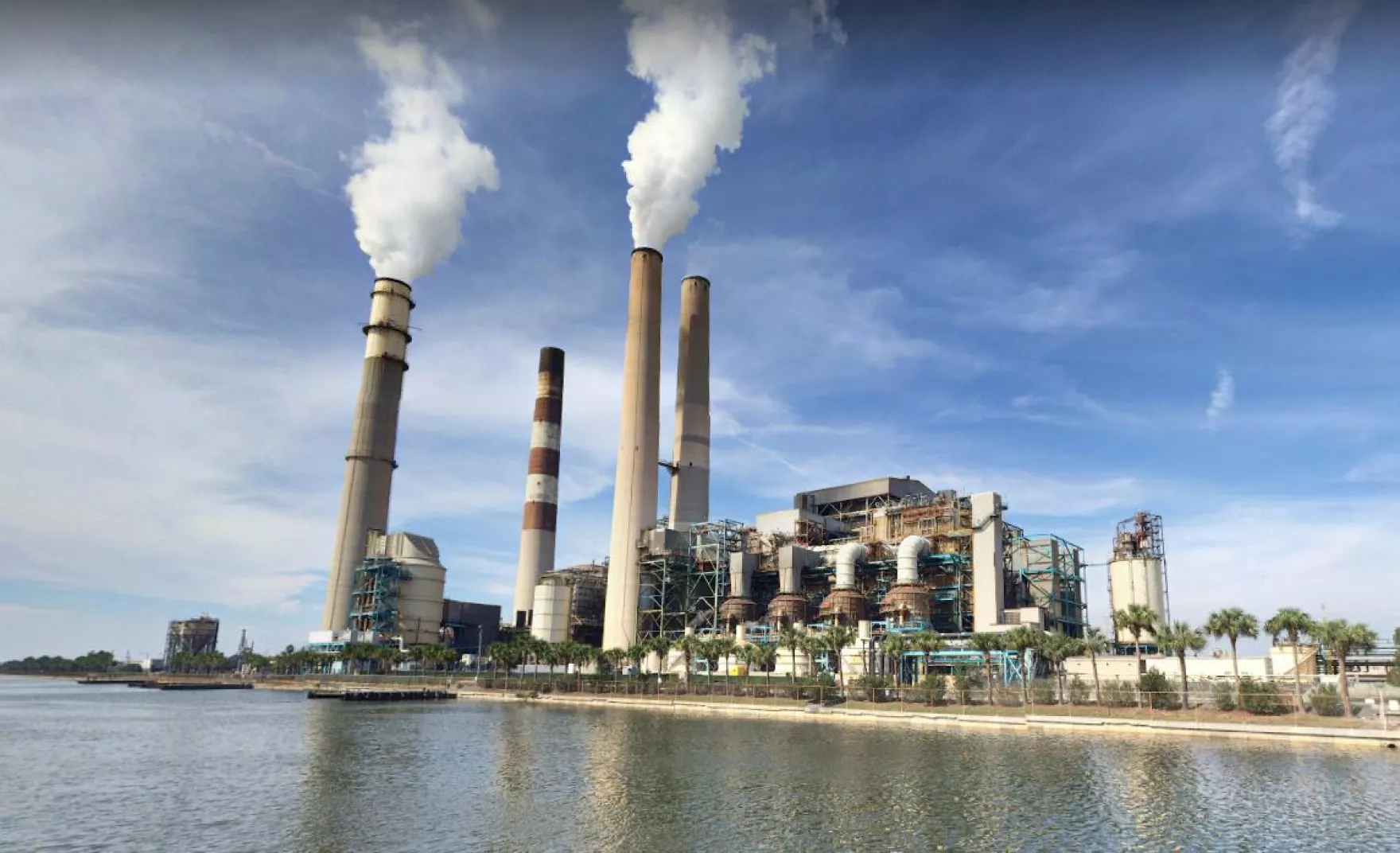
However, Stiell cautioned that unchecked AI development could exacerbate emissions if tech companies do not prioritize greener infrastructure. Training large AI models consumes vast amounts of power, and the carbon footprint of global data centers is projected to grow unless paired with renewable energy sources and efficiency gains.
Environmental groups echo his call for regulation and transparency. They argue that AI governance must ensure that its benefits, such as optimized supply chains, smarter public transport, and precision agriculture, outweigh its climate costs.
The UN will host a dedicated session on AI and climate solutions at COP30 in Brazil later this year, where governments and industry leaders are expected to outline voluntary standards for sustainable AI development.