


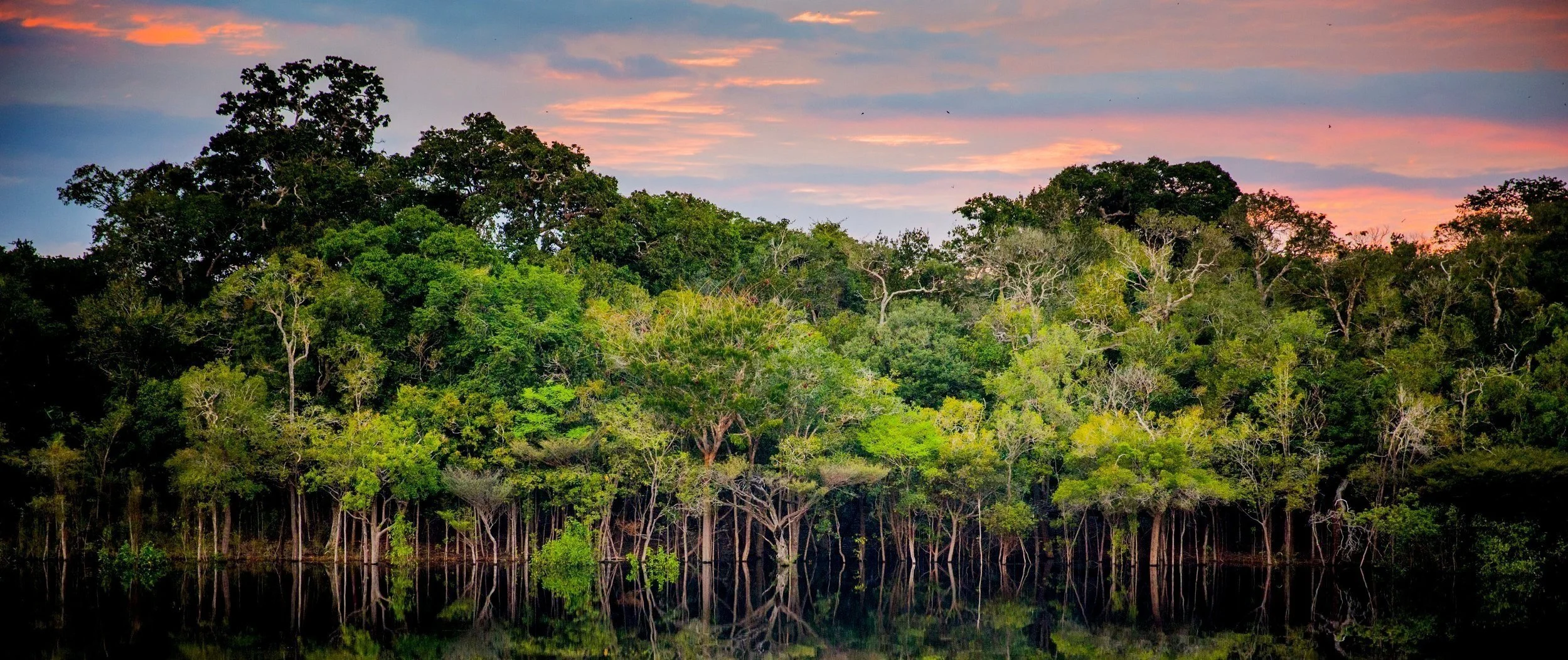
A sweeping four-decade study of more than 66,000 trees spanning 2,500 species across the Amazon-to-Andes elevational gradient has revealed alarming inertia. Tropical tree communities are not migrating upslope fast enough to keep pace with current warming, raising the risk of ecological collapse in some of the planet’s richest biodiversity zones.
The research, published in the Proceedings of the National Academy of Sciences, shows that the rate at which forest compositions shift toward warm-adapted species, known as thermophilization, is significantly slower than regional temperature increases. In practical terms, this means that as the climate warms, tree communities are lagging behind the conditions they need to survive.
One of the clearest patterns emerged in mid-elevation cloud forests between 1,200 and 2,000 meters. Here, scientists observed modest shifts in species composition, driven mainly by the mortality of cool-adapted trees rather than the establishment of new warm-adapted species. By contrast, the vast lowland Amazon displayed little sign of directional change, suggesting a temporary appearance of stability. Yet researchers caution that this lack of visible movement does not signal resilience. With heat stress and severe droughts expected to intensify, the long-term vulnerability of the lowland forest remains extremely high.
Perhaps most striking is that changes are being driven not by trees migrating into more suitable climates, but by death rates among existing species. Recruitment of warm-adapted species is not happening quickly enough to replace what is being lost, leaving ecosystems with what scientists call a “climatic debt.” This concept reflects the widening gap between the speed of environmental change and the sluggish biological response of tropical forests.
The implications are far-reaching. The Amazon and Andean forests are not only among the most important biodiversity hotspots on Earth, but they also serve as vital carbon sinks, absorbing vast amounts of greenhouse gases that would otherwise accelerate climate change. If these ecosystems cannot adapt, their ability to capture carbon will diminish, undermining global climate stability. Biodiversity is also at stake, with countless species depending on fragile cloud-forest ecosystems that may face tipping points if warming continues unchecked.
Lead author William Farfan-Rios emphasized that “these forests are not keeping up with climate change,” underscoring the urgency of the findings. Tropical tree species often have narrow thermal tolerances and limited capacity for migration compared to temperate species. This makes them especially vulnerable to rapid warming, which is already outpacing their evolutionary ability to adapt.
The study adds to mounting evidence that climate-driven changes in tropical ecosystems lag significantly behind warming trends. For conservationists and policymakers, the findings serve as a warning that current strategies may underestimate the risks these forests face. Without urgent action to slow climate change and enhance ecosystem resilience, some of the world’s most critical forests could struggle to survive the century.