


A rapid attribution study by the World Weather Attribution (WWA) network has concluded that the searing, dry, and windy weather that fueled one of the worst wildfire seasons in Iberian history was made at least 40 times more likely by human-induced climate change.
The analysis found that such extreme conditions now recur roughly once every 15 years, compared to once every 500 years in a pre-industrial climate, a dramatic shift with profound implications . Furthermore, heatwaves of this intensity, which previously occurred once every 2,500 years, have become once-in-13-year events under current warming trends.
Climate change has intensified not just the frequency but also the severity of these conditions. Scientists report that the fire-prone weather was approximately 30% more intense than it would have been without global warming.
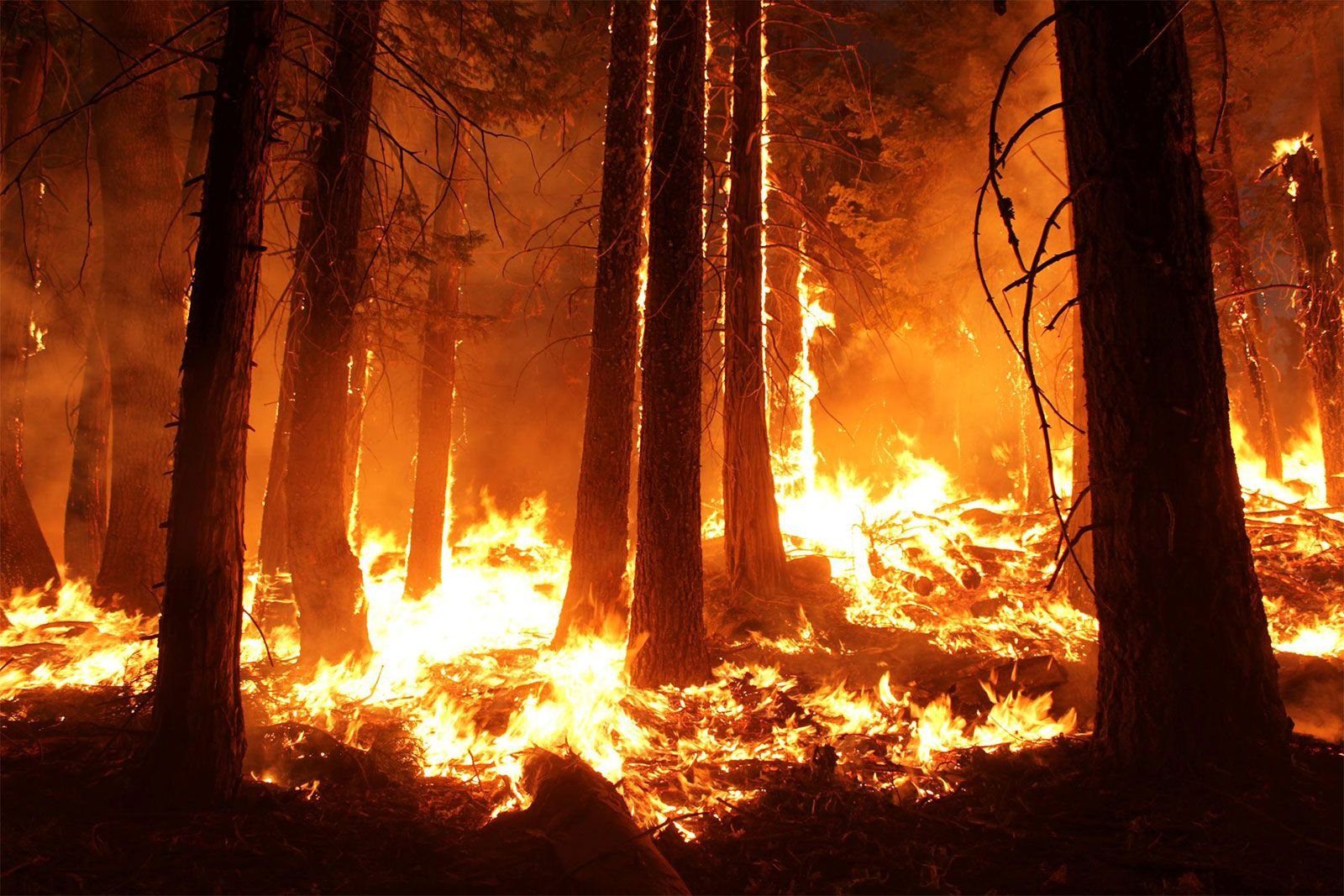
The wildfires scorched more than 1 million hectares across Europe this summer, with Spain and Portugal accounting for about two-thirds of the burned area . The infernos claimed at least eight lives, forced tens of thousands of residents to evacuate, and shut down key transportation infrastructure including railways and highways.
Researchers emphasize that while heat is a natural component of the Mediterranean climate, human-driven warming is making extreme fire weather unbearably frequent and intense, posing escalating challenges for containment and control.
WWA’s findings underline the urgent need for integrated mitigation and adaptation strategies, including robust land-management controls, vegetation clearance, controlled burns, and a rapid transition away from fossil fuels.