


New research has highlighted the mounting impact of climate change on food production, water quality, and dairy output, raising concerns about the future stability of the global agricultural system.
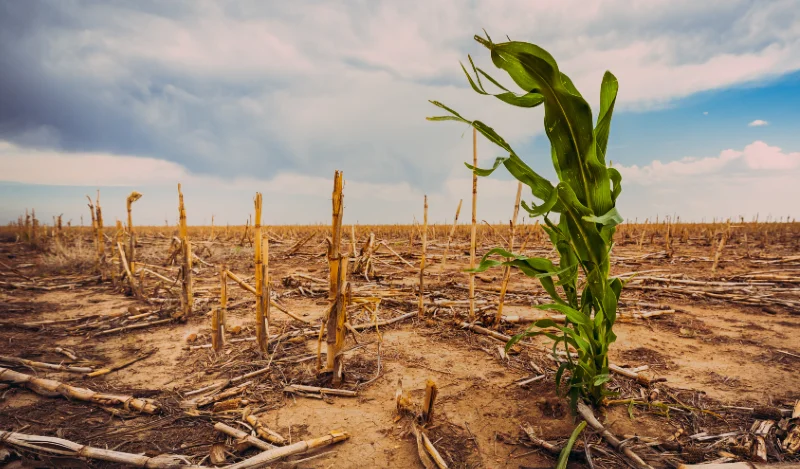
According to a study published in the journal Nature, staple crop yields are projected to decline sharply as global temperatures rise. The researchers found that every 1°C increase in temperature reduces average crop yields by 120 calories per person per day. Crops such as maize, soy, wheat, sorghum, and cassava are all expected to experience substantial yield losses by 2050, with soy declining by 16 percent, maize by 8.3 percent, and wheat by 7.7 percent. Rice was the only crop projected to slightly increase in yield, with a forecasted rise of nearly 5 percent.
The impact is expected to be most severe in low-income countries, where food systems are already vulnerable and populations are more exposed to price shocks and supply disruptions. The findings underscore growing fears about food insecurity in regions least equipped to adapt to the effects of a warming climate.
A separate study examining global water quality from 1985 to 2020 found that intensive livestock farming is significantly contributing to nitrate pollution in freshwater systems. The researchers suggested that replacing conventional meat with plant-based alternatives could reduce nitrate levels in groundwater by 20 percent. The study identified livestock farming as a major source of agricultural runoff, especially in regions with high meat production and consumption.
Another study conducted by institutions in Israel and the United States projects that global milk production could fall by nearly 4 percent by 2050 due to increased heat stress on dairy animals. Rising temperatures and more frequent heatwaves are expected to reduce milk yields and affect the quality of dairy products, compounding the stress on global food supply chains.
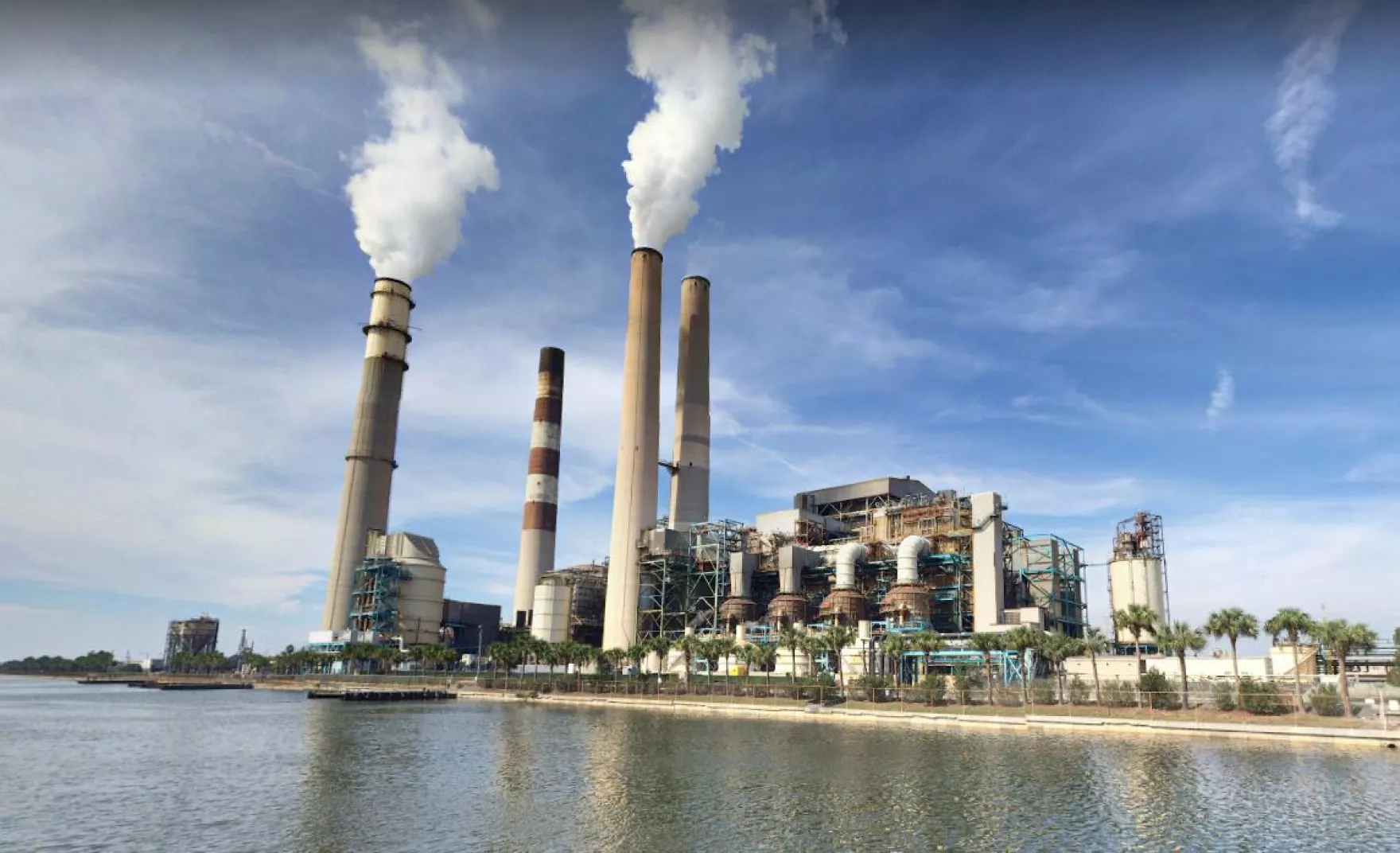
Agriculture currently contributes about one-third of all greenhouse gas emissions and is one of the sectors most vulnerable to the impacts of climate change. The new findings come at a time when international pressure is mounting on governments to take more aggressive steps to reduce emissions and build resilience within food systems. At the upcoming COP30 climate summit in Brazil, food and agriculture are expected to feature prominently on the agenda.
These latest studies reinforce the growing scientific consensus that meaningful climate action must include transforming global food production, improving water management, and shifting dietary patterns to reduce the environmental footprint of agriculture.