


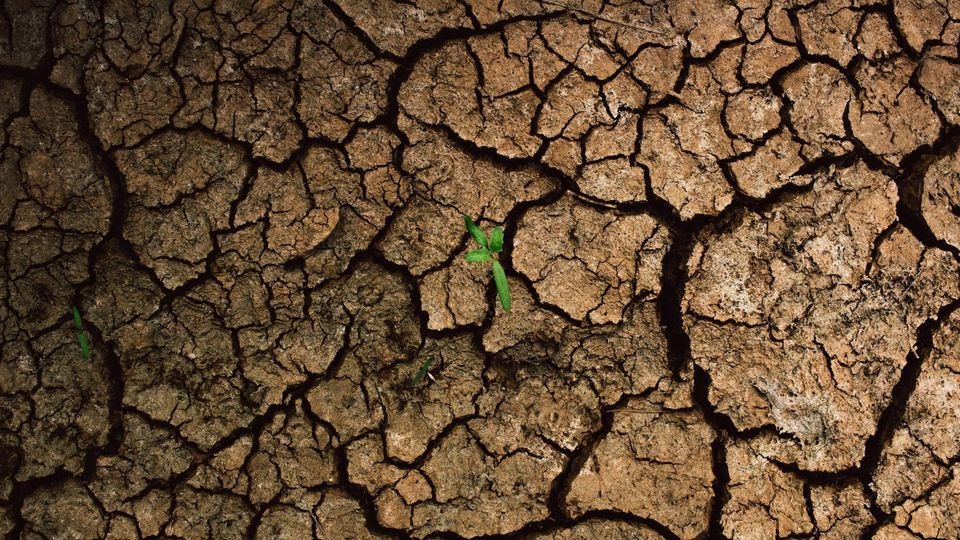
Earth is losing freshwater at an unprecedented pace, with satellite data showing widespread drying across nearly every continent. According to NASA’s GRACE and GRACE-FO missions, the planet has lost the equivalent of twice the size of California in land-based water every year since 2002.
The findings, published by Space.com, point to four major “mega-drying” regions: the southwestern United States and Mexico, the Middle East and Central Asia, northern Canada and Alaska, and the Russian Far East. These areas are experiencing the sharpest decline in soil moisture, groundwater, and surface water.
What’s most alarming, scientists say, is that about 75% of the global population now lives in regions where freshwater stores are shrinking. The primary driver behind the losses is not drought alone but large-scale groundwater pumping for agriculture and industry. This accounts for 68% of the total water loss, surpassing losses from rivers, lakes, and even glacial melt.
This drying trend is now a key contributor to sea-level rise, as depleted continental water is gradually flowing into oceans. In fact, land-based water loss is currently adding more to sea levels than melting polar ice, a shift that marks a critical tipping point for global climate balance.
Despite intermittent wet years and changing weather patterns, scientists found no meaningful recovery in global freshwater reserves over the past two decades. They warn that this may be a long-term or even permanent transformation in Earth’s water systems, driven by both human activity and rising global temperatures.
The study adds to growing concerns about the sustainability of water use worldwide. Experts are calling for urgent reforms in groundwater management, water-efficient farming, and strategies to restore natural aquifer recharge systems.
If the current trajectory continues, millions could face worsening water scarcity, reduced food security, and heightened risk of drought-driven conflict in the years ahead.