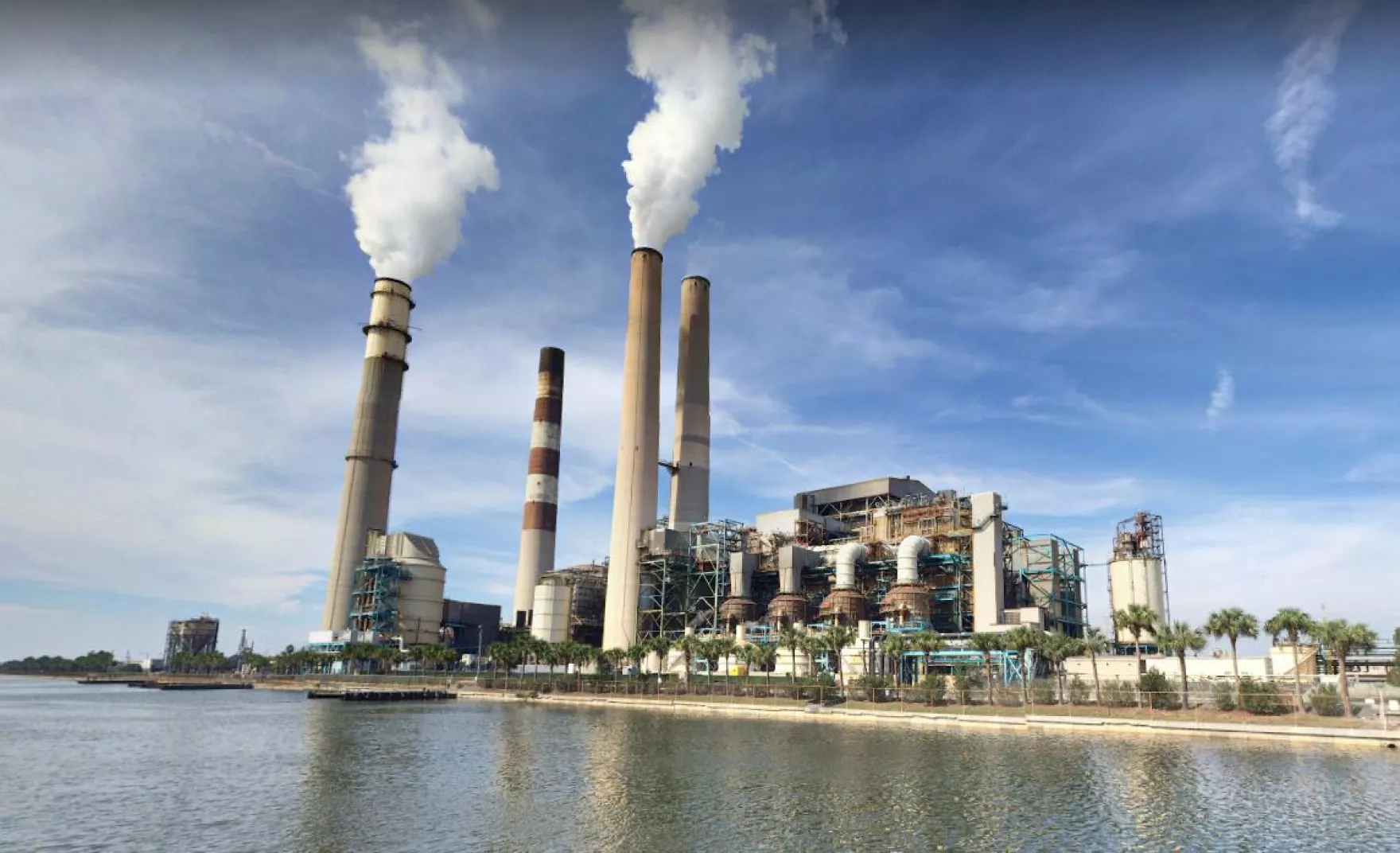




The U.S. Environmental Protection Agency (EPA) has announced a proposal to repeal the 2009 endangerment finding, a key scientific and legal foundation that allows the federal government to regulate greenhouse gas emissions under the Clean Air Act.
EPA Administrator Lee Zeldin unveiled the move in Indiana, describing the repeal as “the largest deregulatory action in American history.” He claimed the original finding relied on “biased science” and imposed costly burdens on businesses and consumers, citing an estimated $50 billion per year in hidden economic impacts.
The endangerment finding was issued under the Obama administration after the Supreme Court’s Massachusetts v. EPA decision in 2007. It enabled the federal government to regulate emissions from vehicles, power plants, and industrial sources. Repealing it would remove the EPA’s authority to act on climate change without new legislation from Congress.
Environmental organizations and public health experts have condemned the proposal. The American Lung Association warned that repealing the rule would lead to increased air pollution and health risks, particularly among children and vulnerable communities. Climate scientists say the move ignores decades of peer-reviewed research linking greenhouse gases to global warming.
California and several other states have promised legal action. State leaders argue the repeal violates both scientific consensus and the EPA’s duty under federal law to protect public health.
The proposed repeal is now open to public comment for 45 days, with a final rule expected in 2026. If finalized, the decision would mark a dramatic shift in U.S. climate policy and could limit the federal government’s ability to reduce carbon emissions for years to come.