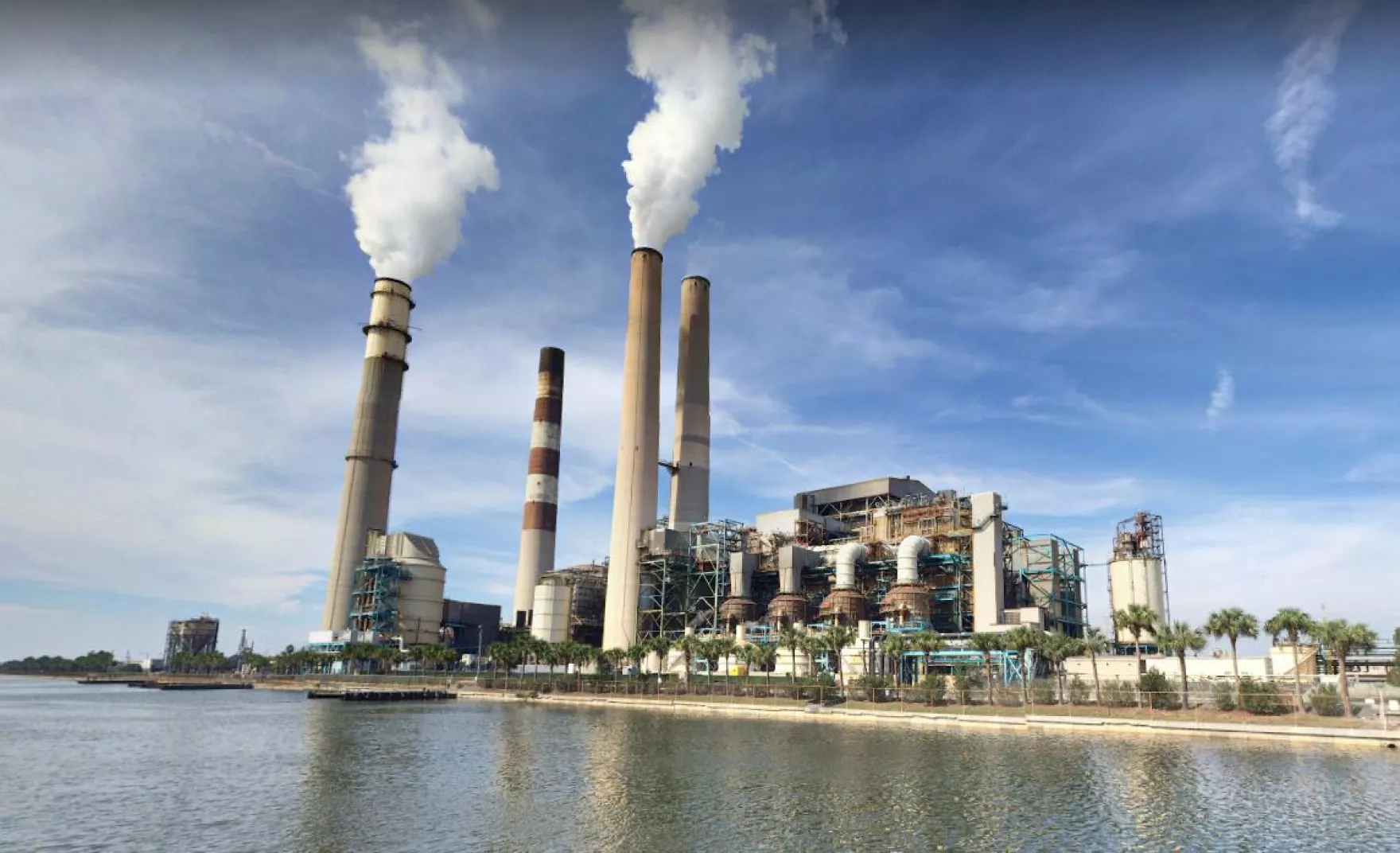



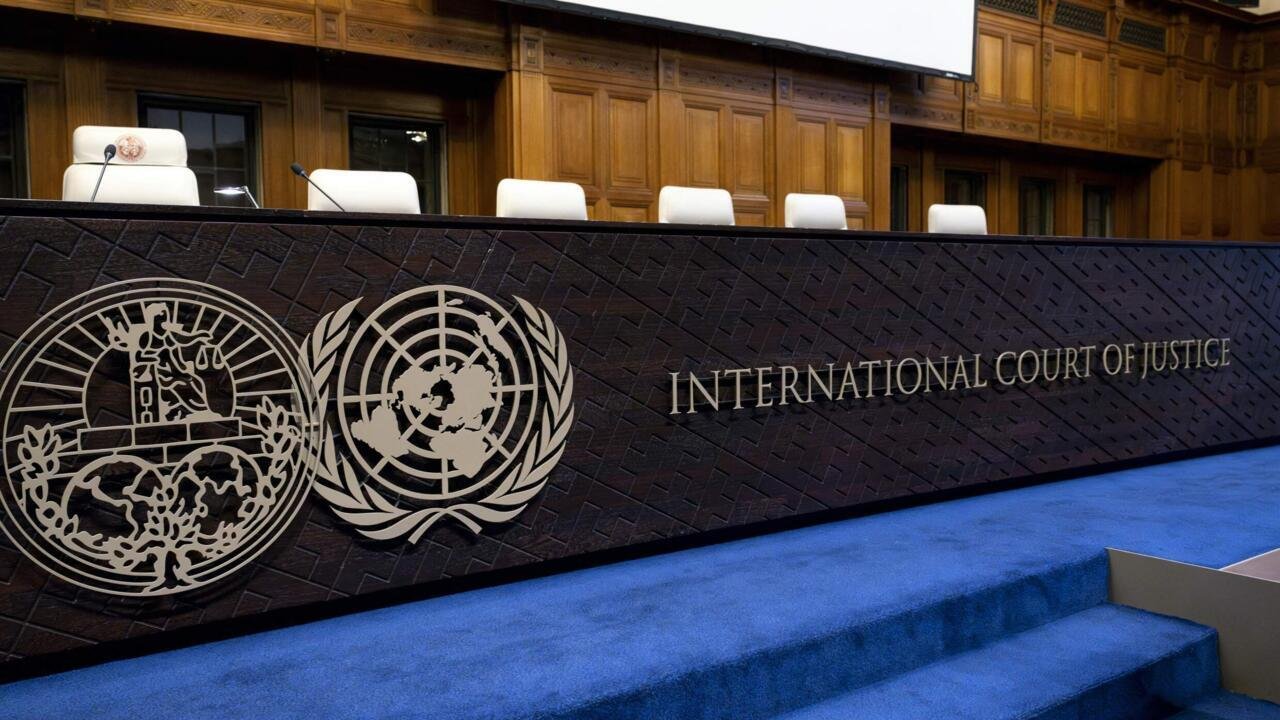
The International Court of Justice (ICJ) will issue an advisory opinion on Wednesday defining countries’ legal responsibilities in addressing climate change.
The ruling follows a 2023 request from the UN General Assembly, driven by a youth-led campaign from the Pacific Islands and supported by over 130 nations. The case asks the court to clarify whether states have binding legal obligations to protect the environment for current and future generations and what accountability measures should apply when those obligations are breached.
Small island nations such as Vanuatu, Tuvalu, and Nauru, which face rising seas and worsening climate impacts, have championed the case as a crucial step toward securing climate justice. Vanuatu’s Prime Minister Jotham Napat described the moment as “a turning point for the global climate movement,” adding that the decision could “restore hope for vulnerable nations.”
More than 100 countries and organizations participated in the hearings, the most in ICJ history. While some argued that human rights and environmental law demand stronger state action, others insisted that the Paris Agreement already provides a sufficient legal framework.
Though not legally binding, the court’s opinion is expected to influence future climate negotiations, shape legal strategies in domestic and international courts, and put added pressure on major emitters to align with climate science.
Legal experts say the ruling could become a powerful reference point for holding governments accountable and securing financial support for those suffering loss and damage.
With COP30 in Brazil approaching, tomorrow’s opinion arrives at a moment when global emissions remain dangerously high and climate finance commitments fall short. For island nations watching helplessly as their land disappears beneath the waves, the ruling represents a last, urgent hope for legal recognition and international solidarity.
Tomorrow’s verdict has the potential to reshape the global climate agenda, from moral persuasion to binding legal clarity, turning promises into enforceable duties and signaling a new era of planetary accountability.