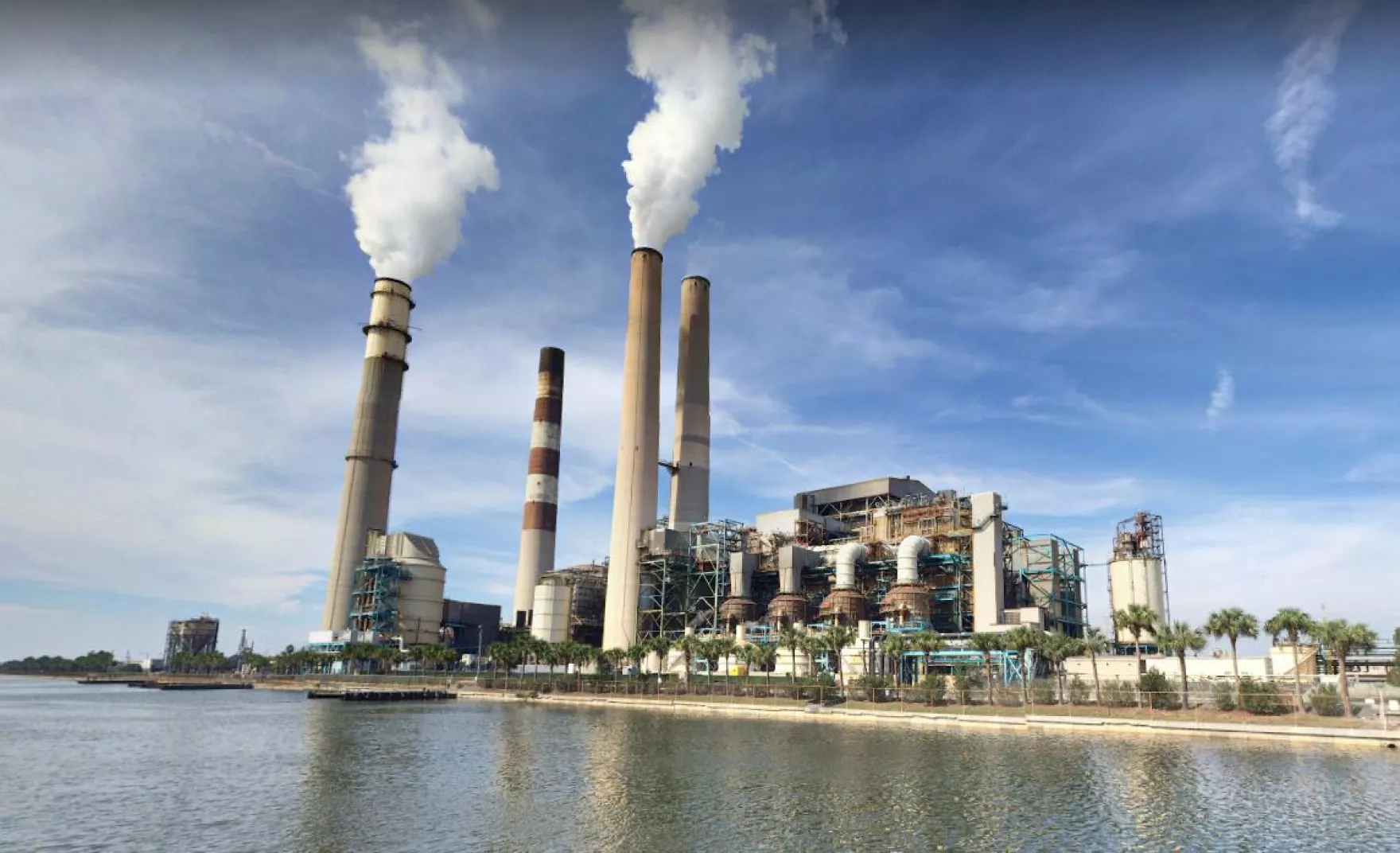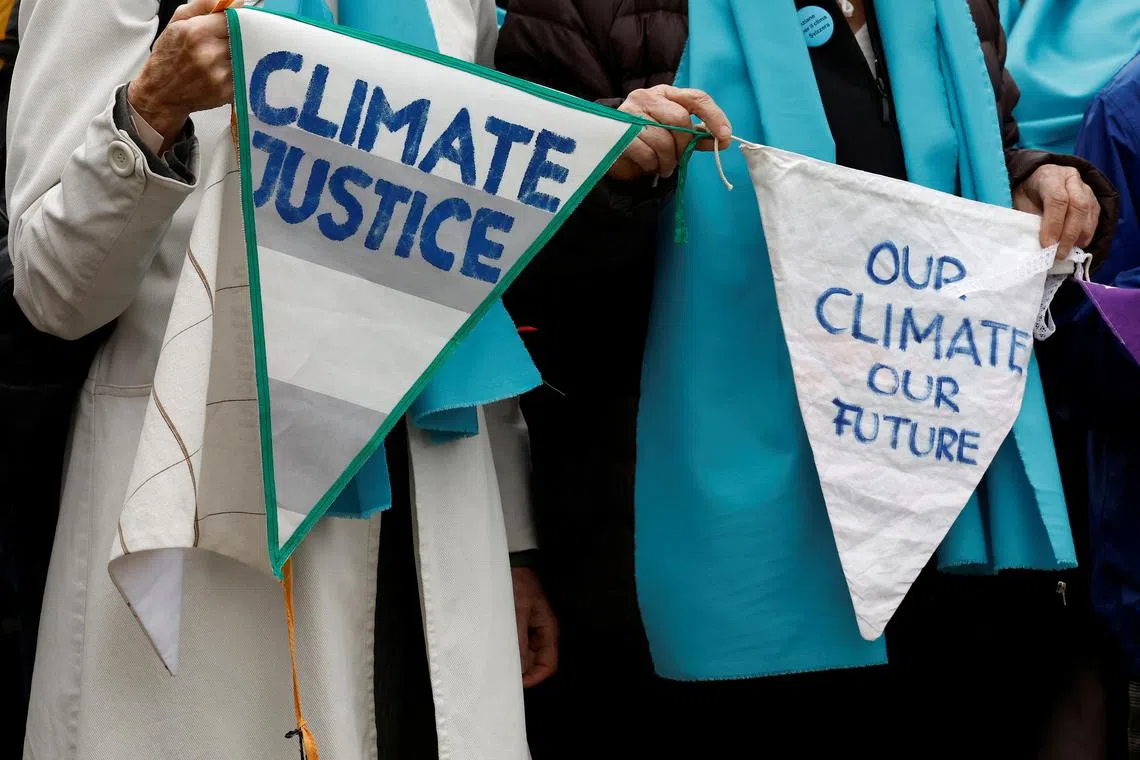




A new international report has revealed that no major sector of the global economy is on course to meet the targets of the Paris Agreement, raising fresh concerns about the world’s ability to limit global warming to 1.5 degrees Celsius.
The State of Climate Action 2025 report, jointly produced by the World Resources Institute (WRI), ClimateWorks Foundation, and the Bezos Earth Fund, found that progress across all key sectors, including energy, transport, buildings, industry, and agriculture, remains far too slow to meet global climate goals.
According to the report, while renewable energy installations and electric vehicle adoption are expanding, these gains are being offset by the continued use of coal, rising fossil fuel subsidies, and slow progress in reducing emissions from heavy industries such as cement, steel, and chemicals. Global fossil fuel subsidies nearly doubled in 2023, undermining the clean energy transition.
WRI President and CEO Ani Dasgupta warned that the world is “running out of time.” He said the findings show that “the window for limiting warming to 1.5 degrees Celsius is rapidly closing. We are not just falling short. We are moving in the wrong direction in too many areas.”
The report notes that global greenhouse gas emissions must fall by at least 43 percent by 2030 compared to 2019 levels to meet the Paris Agreement target. However, current policies would only achieve a two percent reduction, putting the world on a path toward a temperature rise of around 2.6 degrees Celsius by the end of the century.
The researchers also found that climate finance remains critically insufficient. While global investment in renewable energy and green technologies is growing, it falls well short of the estimated five trillion dollars needed annually to achieve a sustainable global transition.
Experts say the findings have serious implications for developing countries such as Ghana, which are already facing severe climate-related impacts, including flooding, heat stress, and threats to food security. They warn that without stronger global action, the cost of inaction will continue to rise, particularly for vulnerable communities in Africa.
Dr. Kofi Mensah, a climate policy analyst in Accra, said the report should serve as a wake-up call to industrialized nations that contribute the most to emissions. “Africa contributes the least to global warming but suffers the most from its consequences. The world must step up climate finance and technology support to enable real progress,” he said.
The release of the report comes ahead of the COP30 climate summit in Belém, Brazil, where world leaders are expected to present updated national commitments to cut emissions. The authors of the report stress that governments and industries must act decisively to accelerate the transition to clean energy and phase down fossil fuels, warning that incremental progress is no longer enough.