


A new global report by the Lancet Countdown in collaboration with the World Health Organization (WHO) has warned that climate inaction is already claiming millions of lives each year through heat stress, air pollution, food shortages, and the spread of infectious diseases.
The report indicates that rising global temperatures are now responsible for at least one death every minute across the world. Vulnerable populations, including the elderly, children, and people in low-income countries, are the most affected.
“The climate crisis is no longer a distant threat. It is a public health emergency happening right now,” said Dr. Marina Romanello, Executive Director of the Lancet Countdown. “Every fraction of a degree of warming costs lives.”
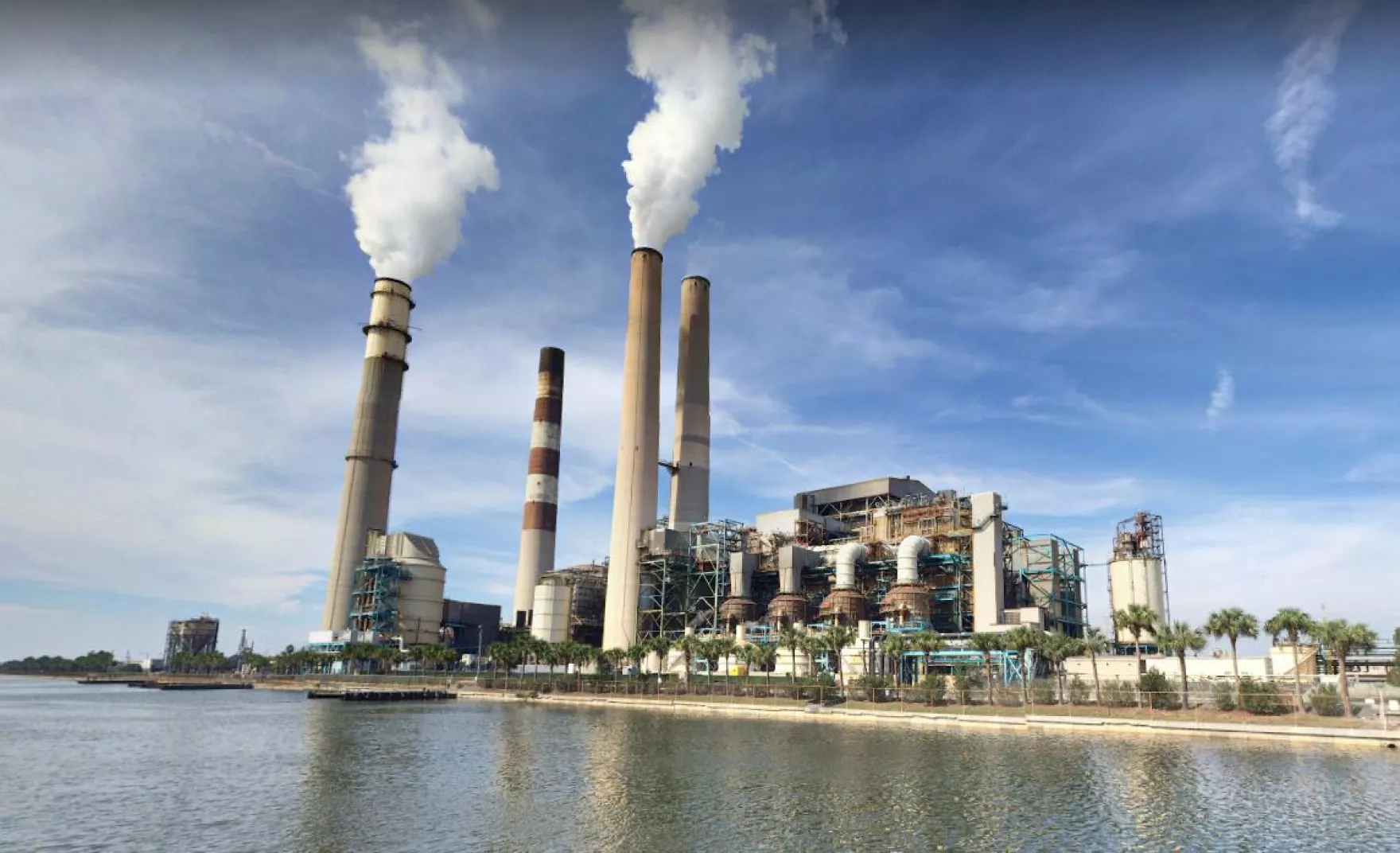
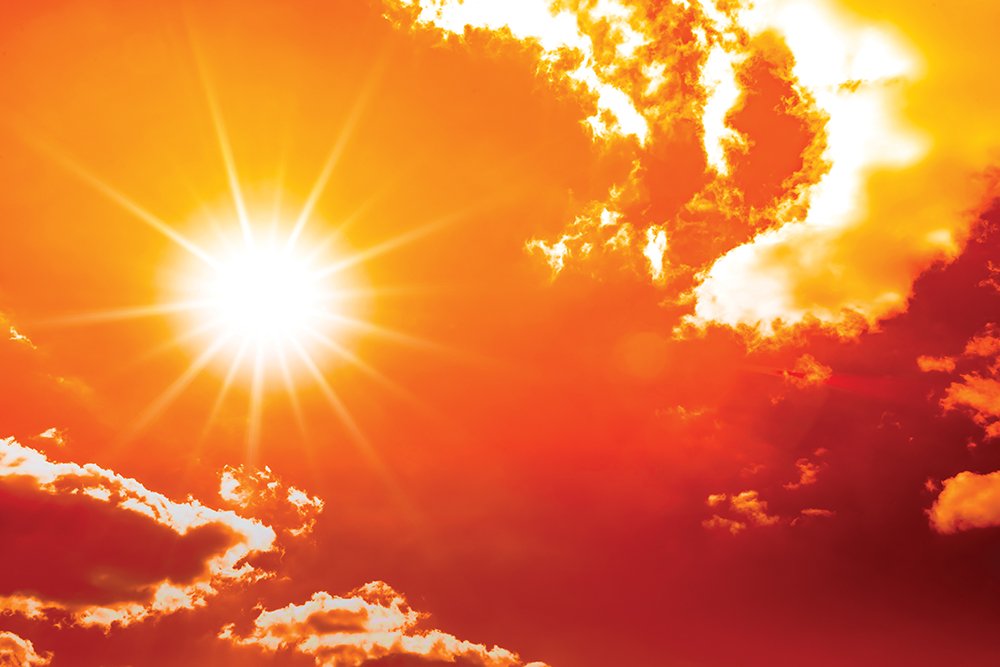
According to the report, exposure to extreme heat has increased by 57 percent over the past two decades. Record-breaking temperatures are putting immense pressure on health systems, particularly in Africa and Asia. The report also attributes millions of premature deaths annually to air pollution from fossil fuel combustion, which now exceeds the toll from tobacco use in some regions.
In addition, climate change is accelerating the spread of diseases such as malaria, dengue, and cholera, as warmer conditions expand mosquito habitats and disrupt water systems.
Hospitals around the world are increasingly struggling to cope with the rising number of patients affected by heatwaves, floods, wildfires, and other climate-related disasters. The report calls on governments to integrate climate resilience into health policy through improved disease surveillance, emergency preparedness, and the establishment of heat action plans.
“Health must be placed at the heart of climate action,” said WHO Director-General Dr. Tedros Adhanom Ghebreyesus. “Protecting people’s health is the most powerful argument for reducing emissions and transitioning to clean energy.”
Despite global awareness of the dangers, the report criticizes continued dependence on fossil fuels, noting that government subsidies for coal, oil, and gas still exceed investments in renewable energy in many countries. This trend, the report argues, is worsening the health and environmental impacts of climate change.
In Africa, where countries contribute the least to global emissions, communities are already experiencing the effects of worsening air quality, erratic rainfall, and extreme heat. In Ghana, these changes are aggravating health conditions such as malaria, respiratory infections, and malnutrition. The findings add urgency to government plans to establish climate and sustainability units across ministries and local assemblies to help mainstream health-focused climate responses.
The Lancet Countdown warns that the world remains dangerously unprepared for the health impacts of global warming and calls for immediate efforts to phase out fossil fuels, expand clean energy investment, and protect vulnerable populations.
“Every policy that cuts emissions, cleans the air and cools the planet will save lives,” the report stated.