


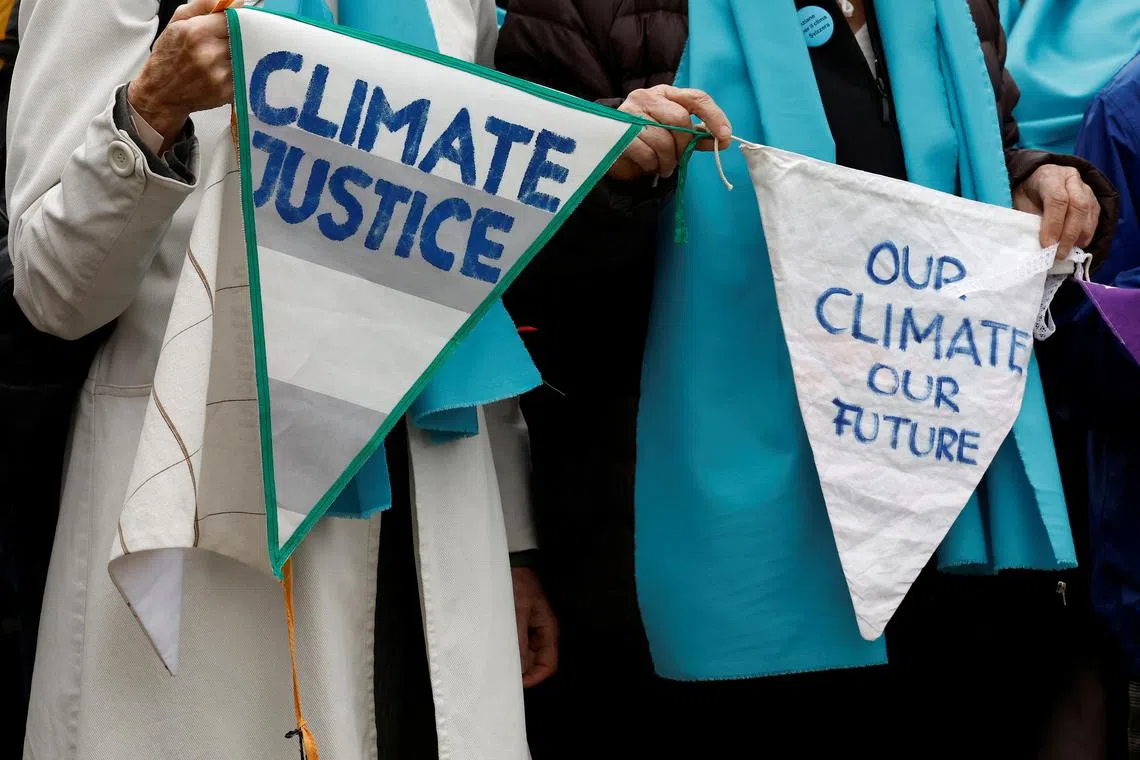
A new global report has revealed that more than 3,000 climate litigation cases are currently being pursued around the world, marking a dramatic rise in the use of courts to drive climate action and accountability.
The report, jointly released by the UN Environment Programme (UNEP) and the Sabin Centre for Climate Change Law at Columbia University, highlights how communities, young people, and environmental groups are increasingly turning to the legal system to demand stronger climate commitments from governments and corporations.
According to the findings, climate-related lawsuits have more than tripled in less than a decade, reflecting growing frustration over the slow pace of emission reductions and the widening impacts of climate change.
The United States, the European Union, and Australia continue to lead in the number of cases filed. However, developing countries are also emerging as key players, especially in Africa, Asia, and Latin America.
Experts say the rise of climate litigation shows that people see justice systems as a powerful avenue for accountability.
“Courts are increasingly being asked to fill gaps where policy responses fall short,” said Inger Andersen, UNEP’s Executive Director. “This trend underscores the growing recognition that climate inaction violates fundamental human rights, including the right to a healthy environment.”
Several landmark rulings in recent years have ordered governments to adopt stronger climate policies or hold major polluters accountable.
For instance, the 2021 Dutch court ruling that forced oil giant Shell to cut its emissions was one of the first of its kind, setting a precedent for corporate responsibility in global climate governance.
Legal experts note that African countries, including Ghana, could see a rise in similar legal actions as climate impacts intensify, from droughts and floods to coastal erosion and food insecurity.
“The message is clear: governments and corporations can no longer ignore their climate responsibilities,” said a Ghanaian environmental lawyer in Accra. “Communities are learning that they can use the law to demand climate justice.”
In Ghana, climate litigation remains rare. However, growing interest from youth movements, environmental NGOs, and civil society groups could change that. Analysts suggest that greater access to environmental information and awareness could empower more citizens to hold duty bearers accountable under existing laws.